mobile app interface design
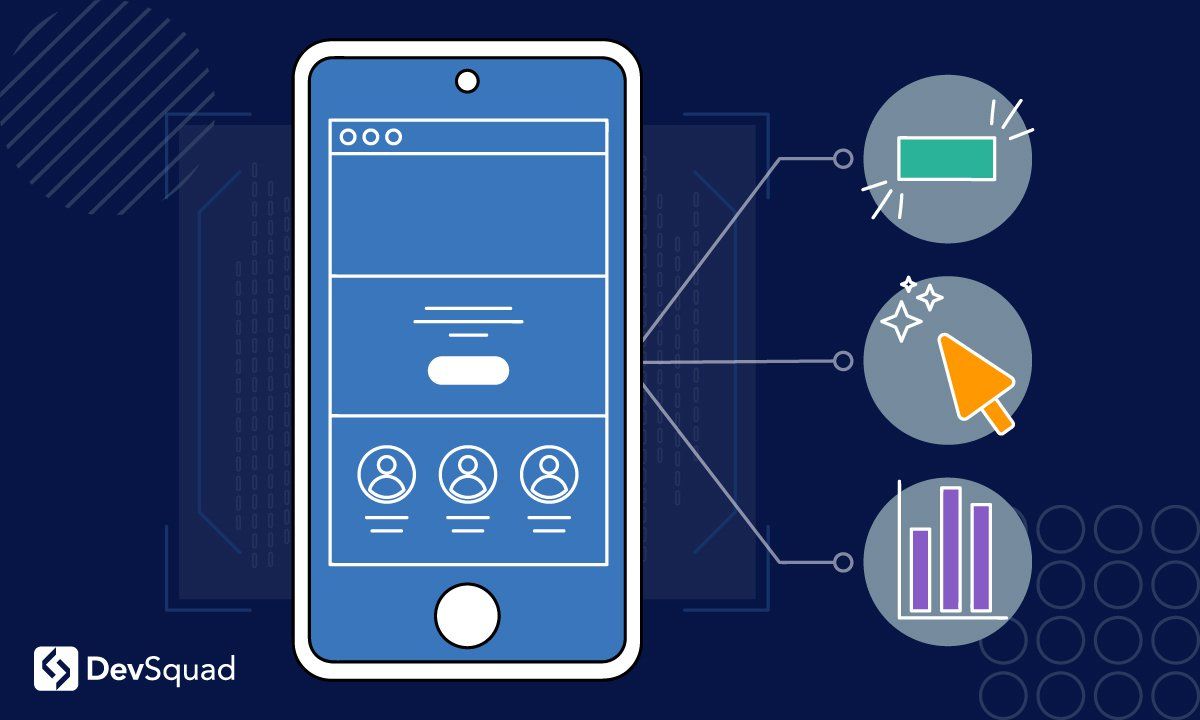
Mobile app interface design involves creating visually appealing and user-friendly interfaces for applications on mobile devices. It serves to enhance user experience, ensuring seamless navigation and interaction. The main benefit of effective mobile app interface design is increased user engagement and satisfaction, leading to higher retention rates.
Benefits- Improves user satisfaction by providing intuitive navigation.
- Increases app engagement through visually appealing design.
- Enhances accessibility for a broader audience.
- Facilitates easier updates and maintenance.
- Boosts conversion rates by guiding users towards desired actions.
The process of mobile app interface design involves several stages, including research, wireframing, prototyping, and user testing. Designers start by understanding user needs and preferences, followed by creating wireframes to outline the layout. Prototypes are then developed to visualize the flow and functionality, which are tested for usability before finalizing the design.
How to use / practical applicationWhen designing a mobile app interface, begin by identifying your target audience and their needs. Use wireframing tools to sketch out layouts, ensuring a clear visual hierarchy. Utilize prototyping tools to create interactive versions of your design, allowing for user feedback and iterations. Finally, implement the design into the app development process while continuously testing for usability.
For whom it is indicatedMobile app interface design is ideal for app developers, UX/UI designers, startups looking to launch a mobile app, and businesses aiming to enhance their digital presence. Anyone seeking to create a user-friendly experience for mobile users will benefit from understanding these design principles.
DifferentialsEffective mobile app interface design distinguishes itself through a user-centered approach, focusing on the needs and behaviors of users. It integrates best practices in visual design, ensuring accessibility and responsiveness across various devices. This method enhances overall usability and drives user engagement, setting it apart from conventional design approaches.
Problems it solvesMobile app interface design addresses common issues such as confusing navigation, poor visual appeal, and lack of accessibility. By focusing on user experience, it helps reduce user frustration, minimizes drop-off rates, and encourages regular use of the app.
Technical characteristicsWhile the specific technical characteristics may vary, effective mobile app interface design typically includes responsive layouts, clear typography, intuitive icons, and cohesive color schemes that align with the brand identity.
FAQ- What is mobile app interface design? It is the process of creating user-friendly and visually appealing interfaces for mobile applications.
- Why is user interface design important? It enhances user experience, increases engagement, and improves app usability.
- What tools can I use for mobile app design? Popular tools include Sketch, Figma, and Adobe XD for wireframing and prototyping.
- How can I improve my app's interface? Focus on user feedback, usability testing, and following design best practices.
- Is mobile app interface design suitable for all types of apps? Yes, it is essential for any app aiming to provide a positive user experience.
Ready to enhance your mobile app's user experience? Explore our resources on mobile app interface design and take the first step towards creating an engaging and intuitive application. Start designing today!




Siga nosso instagram

