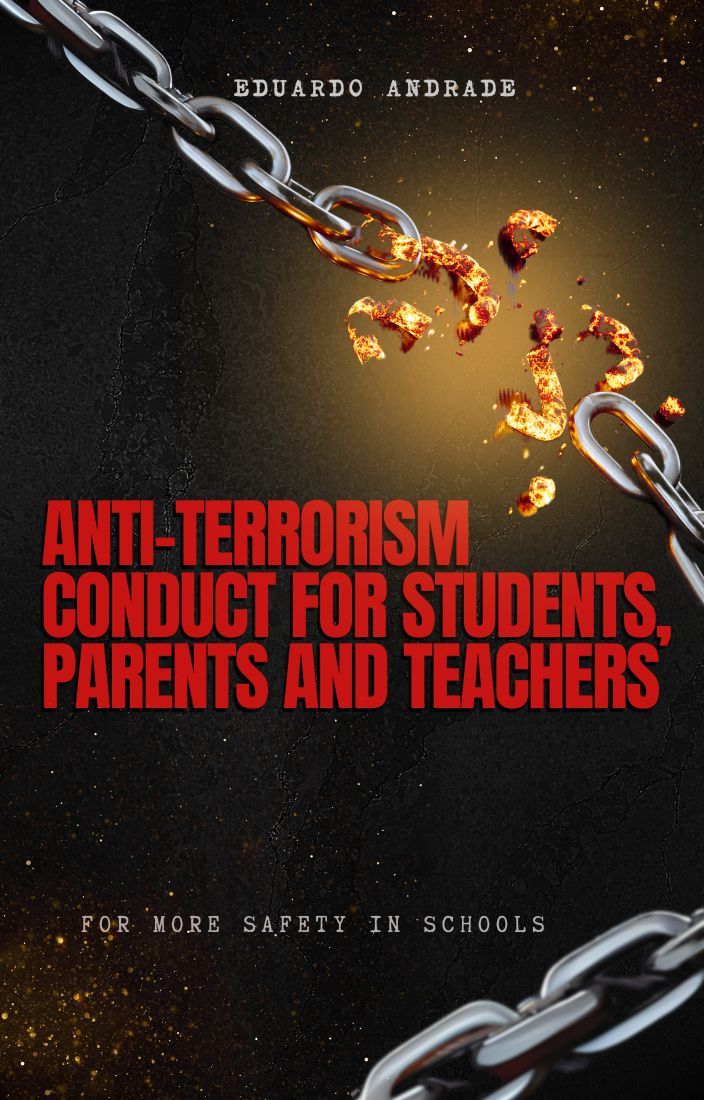
antiterrorism guidelines for schools
The antiterrorism guidelines for schools are essential protocols designed to enhance safety and preparedness among students, parents, and teachers. These guidelines serve to educate and equip the school community with the necessary tools and knowledge to respond effectively to potential threats, ensuring a safer educational environment.
Benefits- Enhances overall school safety and security.
- Informs students and staff on how to recognize and report suspicious activities.
- Promotes a culture of preparedness and resilience within the school community.
- Facilitates effective communication strategies during emergencies.
- Provides parents with resources to support their children's safety education.
The antiterrorism guidelines work by outlining specific actions and responsibilities for students, parents, and teachers in the event of a threat. These guidelines include training sessions, drills, and resources that help individuals understand their roles and the importance of situational awareness.
How to use / practical applicationImplementing these guidelines involves regular training sessions for students and staff, conducting safety drills, and establishing clear communication channels. Schools can incorporate these guidelines into their curriculum, ensuring all members are prepared and informed about safety protocols.
For whom it is indicatedThese guidelines are ideal for educational institutions, including elementary and secondary schools, as well as parents and teachers who seek to foster a safe learning environment. They are designed for anyone involved in school safety and emergency preparedness.
Differentials of the productUnlike generic safety protocols, these antiterrorism guidelines are specifically tailored to address the unique challenges faced by educational environments. They emphasize proactive measures and community involvement, ensuring a comprehensive approach to safety.
Problems it solvesThese guidelines address the critical need for safety and preparedness in schools, helping to mitigate risks associated with potential threats. They empower the school community to respond effectively and confidently in emergency situations.
Technical characteristicsWhile specific technical characteristics are not detailed, the guidelines are grounded in established safety practices and are designed to be adaptable to various school settings.
FAQ- What are antiterrorism guidelines for schools? They are protocols that help schools prepare for and respond to potential threats.
- How can these guidelines improve school safety? They educate the community on recognizing threats and establishing response strategies.
- Who should implement these guidelines? All school staff, students, and parents should be involved in the implementation.
- What training is required? Regular training sessions and safety drills are recommended for effective implementation.
- Where can I find these guidelines? They are available through educational safety resources and school district offices.
Ensure your school community is prepared and informed. Purchase the antiterrorism guidelines for schools today and foster a safer educational environment.




Siga nosso instagram

